

Every spin on a pokies machine is the visible tip of a much larger system, and pokies machine mechanics explained properly starts with the maths hiding behind the art. The symbols, the paylines, the bonus triggers and the way a game feels on a phone are all tied together by a single design brief. When that brief is honest, players get a clear sense of pace, volatility and where the features actually live. When it is rushed, the theme looks loud but the gameplay feels hollow. That gap is what separates a title you return to from one you forget by the arvo.
The Core Loop Behind Every Spin

A pokies machine is built around a repeated cycle: you stake, the reels spin, an outcome is resolved, and any win is returned before the next decision point. That sounds simple, but the shape of the cycle is where the whole experience is decided. The base game sets the tempo, the bonus round changes the rhythm, and the return-to-player profile determines how often the machine asks you to keep playing rather than walking away. From a design perspective, the goal is not to make every spin feel identical. It is to make the variation feel intentional.
When I am reviewing a new title, I look at how the base loop handles quiet stretches. A machine that pays small wins too often can feel busy without being engaging, while one that goes too long without anything back can feel flat regardless of how polished the artwork is. The best designs thread those stretches together with near-misses that read as tension rather than frustration, and with sound and motion that keep the beat alive even when the screen is quiet. That balance is a judgement call, not a formula.
Payment handling and registration need to sit out of the way until you actually want them. A clean sign-up flow, a currency that matches the player’s expectation, and a mobile layout that does not ask you to pinch and zoom are the boring details that decide whether someone stays for ten minutes or ten spins. If the interface fights the player, the mechanics underneath never get a fair chance to show what they are doing. fair go casino no deposit signup bonus
| Design element | What it does for the player | What it costs the operator |
|---|---|---|
| Base-game hit frequency | Sets the day-to-day pace and perceived activity | Can dilute the impact of bonus features if set too high |
| Volatility profile | Shapes how wins cluster over a session | Requires clearer communication so players understand the swing |
| Bonus trigger rate | Gives the game a memorable peak moment | Needs enough base-game interest to keep players engaged before it lands |
| Mobile layout | Determines whether the game reads well on a phone | Can limit animation complexity if the screen is too constrained |
Three Parts Of The Design That Actually Matter
How Volatility Shapes The Session
Volatility is the part of pokies machine mechanics explained that most players feel before they can name it. A lower-volatility game tends to return smaller amounts more often, which can suit a player who wants a steadier rhythm and a longer session. A higher-volatility game waits longer between meaningful hits, then gives the session a sharper peak when something lands. Neither approach is inherently better; they just ask different things of the player’s patience and bankroll.
From a consultancy angle, I treat volatility as a pacing tool first and a maths label second. If a game is built around a big bonus promise, the base game needs enough small moments to keep the screen alive on the way there. If the volatility is too extreme for the theme, the artwork can start to feel disconnected from the actual play. A jungle theme with constant motion needs a different rhythm to a slow, atmospheric title, and the maths should follow that mood rather than fight it.
Why Bonus Features Need Real Weight
A bonus round is only memorable if it changes the experience, not just the screen. Good bonus design gives the player a different decision space, a different visual rhythm, or a different way to read the reels. That might mean a separate mini-game, a shifting paytable, or a feature where the symbols behave differently for a limited run. The point is that the bonus should feel like a distinct chapter, not a reskin of the same spin.
I have seen titles where the bonus is visually loud but mechanically thin, and those usually fade fast once the first few plays are done. A stronger approach is to give the feature a clear identity and a reason to matter. If a game is built around a city-themed bonus plaza, for example, the player should feel that theme in the layout and the pacing, not just in the background art. That kind of alignment is what makes a machine stick in memory after the session ends.
The Mobile Fit For Real Play
Mobile usability is where a lot of polished games quietly lose their edge. A pokies machine that looks great on a desktop can feel cramped on a phone if the symbols are too small, the paylines are hard to read, or the bonus entry button is buried behind clumsy navigation. Responsiveness is not just about shrinking the screen; it is about keeping the same information hierarchy when the player is holding the device in one hand.
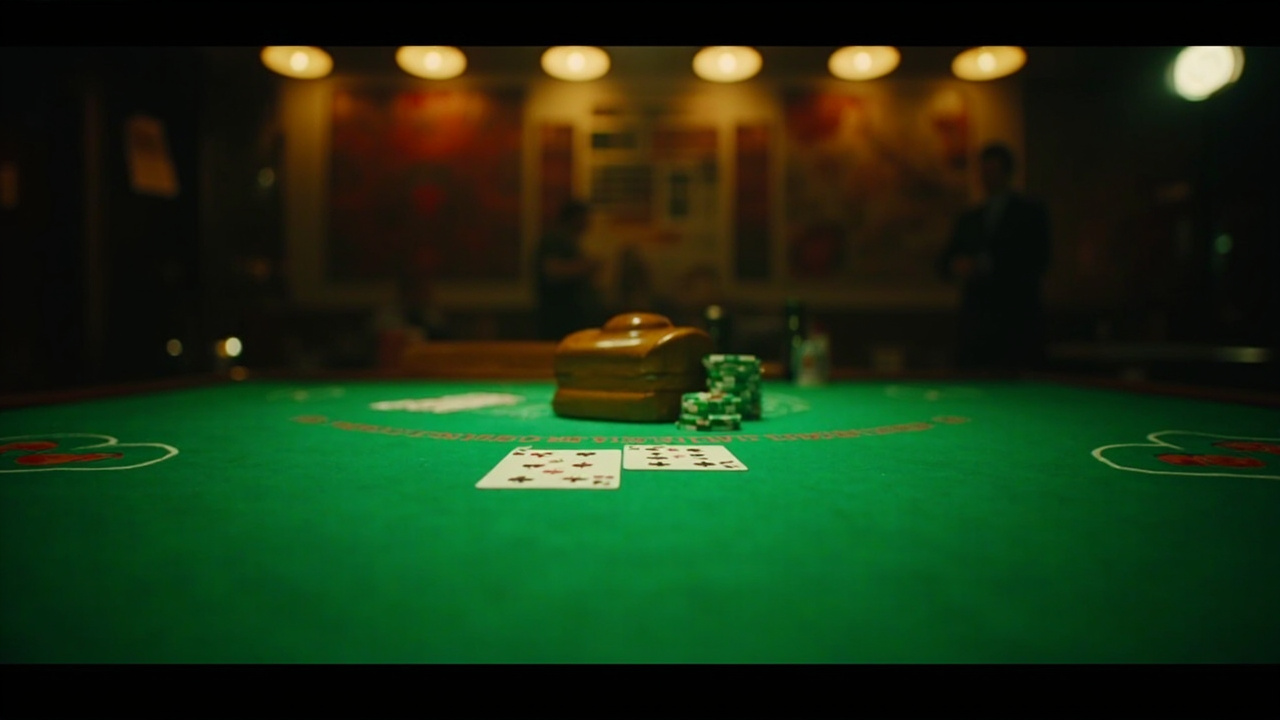
Performance matters just as much as layout. If animations stutter or the screen takes too long to settle after each spin, the game loses its rhythm. A mobile-first design keeps the core actions close at hand, keeps the paytable readable without zooming, and lets the player move from base game to feature without fighting the interface. When the mobile experience is done properly, the player can focus on the mechanics instead of the menu.
Who This Kind Of Game Fits Best
A game built around clear mechanics and a honest volatility profile suits a player who wants to understand what they are sitting down to do. If you like a session with a defined pace, a readable paytable, and features that actually change the rhythm, this style of pokies machine is a better match than a title that relies mostly on spectacle. It also suits someone playing on a phone who wants the same core experience without hunting around the screen.
It is less ideal for players who want constant action with no quiet stretches, or for anyone expecting the artwork alone to carry the whole session. The best fit is a player who can read the tempo, set a limit that makes sense for the volatility, and recognise when a feature is doing real work versus just flashing on the screen. That kind of fit is what turns a game from something you try once into something you come back to on a slow arvo.
The real question is whether you play for the maths you can feel, or for the theme that catches your eye first. If you had to choose one thing that makes a pokies session worth repeating, would it be the way the bonus round changes the rhythm, or the way the base game keeps you engaged between those peaks?